

Helpful Articles

As technology continues to advance, so does the field of the optometric industry. The development of innovative tools and techniques has allowed for more accurate and comprehensive examinations. One such technology is Optos, a revolutionary system that utilizes ultra-widefield retinal imaging technology to provide optometrists with a detailed view of the entire retina.
How Does Optos Work?
Optos technology is based on the principle of ultra-widefield retinal imaging, which allows for a wider and more detailed view of the retina compared to traditional imaging techniques. The Optos system consists of a specialized camera that captures high-resolution images of the retina using scanning laser ophthalmoscopy (SLO) and optical coherence tomography (OCT) technologies. SLO provides a wide-field view of the retina, while OCT allows for cross-sectional imaging, providing valuable insights into the various layers of the retina.
The Optos camera is designed to capture images through a process called optomap, which captures up to 200 degrees of the retina in a single image. This wide-field view provides optometrists with a comprehensive picture of the retina, enabling them to detect abnormalities that may not be visible with traditional imaging techniques. The optomap image can be instantly viewed and analyzed by your eye doctor, allowing for a more efficient and accurate diagnosis.
Common Eye Conditions Detected by Optos
Optos technology has the capability to detect a wide range of eye conditions, including but not limited to, diabetic retinopathy, macular degeneration, glaucoma, and retinal tears or detachments. Diabetic retinopathy is a condition that affects individuals with diabetes, causing damage to the blood vessels in the retina. Optos can capture detailed images of the retina, enabling optometrists to detect any signs of diabetic retinopathy and initiate appropriate treatment.
Macular degeneration is another common eye condition that can be detected using Optos. This condition affects the macula, the central part of the retina responsible for sharp, central vision. Optos allows for a comprehensive view of the macula, identifying any changes or abnormalities that may indicate the presence of macular degeneration.
Glaucoma, a condition characterized by damage to the optic nerve, can also be detected using Optos. The wide-field view provided by Optos allows for a thorough examination of the optic nerve and the surrounding structures, facilitating early detection and intervention.
Finally, Optos technology is particularly effective in detecting retinal tears or detachments. These conditions can lead to sudden vision loss and require immediate medical attention. Optos allows for a comprehensive view of the retina, identifying any signs of retinal tears or detachments and initiate prompt treatment.

Dry eye is a common condition that affects millions of individuals worldwide. It occurs when the eyes do not produce enough tears or the tears evaporate too quickly. This can lead to discomfort, irritation, and even vision problems. TearCare offers a breakthrough treatment option for long-lasting relief from dry eye.
What is TearCare?
TearCare is a revolutionary treatment option that offers long-lasting relief for dry eye sufferers. This innovative technology utilizes wearable eyelid warming devices to precisely deliver heat to the meibomian glands, effectively unclogging them and promoting healthier oil production. The treatment is performed in-office by a trained eye care professional and typically takes less than 15 minutes.
TearCare targets the root cause of the problem - meibomian gland dysfunction. By restoring the proper function of these glands, TearCare helps to stabilize the tear film, improve tear production, and alleviate the symptoms of dry eye. This breakthrough solution offers a safe and effective alternative to medications and artificial tear drops, providing long-lasting relief for those suffering from dry eye.
How TearCare Works to Treat Dry Eye
TearCare works by gently applying heat to the eyelids, stimulating the meibomian glands and promoting the release of healthy oils. The wearable eyelid warming devices are designed to maintain a consistent temperature, ensuring optimal results. The heat helps to liquefy any hardened oils or debris clogging the glands, allowing them to function properly again. This treatment can also help reduce inflammation and improve overall eyelid hygiene.

Clear Lens Extraction (CLE) is a surgical procedure that involves the removal of the natural lens of the eye and replacing it with an artificial lens implant, also known as an intraocular lens (IOL). CLE is primarily performed to correct refractive errors, such as nearsightedness, farsightedness, and astigmatism.
Understanding CLE and How It Works
Clear Lens Extraction is similar to cataract surgery, where the natural lens is removed and replaced with an IOL. However, in CLE, the lens is clear and not clouded as in the case of cataracts. The procedure begins with the administration of local anesthesia to numb the eye and ensure a painless experience for the patient.
Once the eye is numb, a small incision is made on the cornea, which is the clear front surface of the eye. Through this incision, your eye surgeon accesses the lens and carefully removes it. The artificial IOL is then inserted into the empty lens capsule. The IOL is specifically chosen to correct the patient's refractive error, providing them with improved vision.
After the IOL is implanted, the incision is closed with tiny sutures or self-sealing techniques. Following the surgery, patients are usually prescribed antibiotic and anti-inflammatory eye drops to prevent infection and reduce inflammation.
Factors to Consider Before Undergoing Clear Lens Extraction
Before deciding to undergo Clear Lens Extraction, there are several factors that need to be considered. Firstly, it is crucial to have a thorough eye examination to determine if you are a suitable candidate for the procedure. Your optometrist will evaluate your overall eye health and discuss your expectations and goals for vision correction.
Age is another important factor to consider. CLE is typically recommended for individuals over the age of 40 who have developed presbyopia, a condition that affects near vision. It is also important to have stable vision, as any changes in prescription can affect the accuracy of the IOL power calculation.
Additionally, it is essential to understand the potential risks and complications associated with the procedure. While CLE is generally safe, there is a small risk of infection, bleeding, and retinal detachment. Your optometrist will discuss these risks with you and address any concerns you may have.

Senior eye care is crucial for maintaining optimal vision and overall eye health as we age. As individuals grow older, they become more susceptible to age-related eye conditions. Regular comprehensive eye exams play a key role in early detection and management of these conditions, helping to preserve vision and prevent potential vision loss. By staying proactive with eye care and seeking timely professional assistance, seniors can enjoy clear, comfortable vision and ongoing eye health for years to come.
Common Eye Conditions in Seniors
As we reach our golden years, there are several eye conditions that become more prevalent. These conditions can have a significant impact on our vision and overall quality of life.
Presbyopia: This condition affects near vision, making it difficult to focus on close objects. It is a normal part of aging and is typically addressed with reading glasses or multifocal lenses.
Floaters and Flashes: As the vitreous inside the eye changes with age, it can lead to the perception of floaters (small dark spots or lines) and flashes of light. While often harmless, sudden onset of floaters and flashes may indicate a retinal tear or detachment and should be promptly evaluated.
Age-Related Macular Degeneration (AMD): AMD is a leading cause of vision loss in older adults. It affects the macula, the central part of the retina, leading to blurred or distorted central vision. There are two forms of AMD, dry AMD, and wet AMD, with the latter being more severe.
Cataracts: Cataracts are a common age-related condition characterized by the clouding of the eye's natural lens. This can lead to blurry vision, glare, and difficulty seeing in low-light conditions.
Glaucoma: Glaucoma is a group of eye conditions that damage the optic nerve, often due to elevated intraocular pressure. It can result in peripheral vision loss and, if left untreated, may lead to total blindness.
Diabetic Retinopathy: For seniors with diabetes, diabetic retinopathy is a concern. It occurs when high blood sugar levels damage the blood vessels in the retina, leading to vision problems and potential blindness if not managed.
Dry Eye Syndrome: Seniors may experience dry eye syndrome, characterized by insufficient lubrication and moisture on the surface of the eye. It can cause discomfort, redness, and fluctuating vision.

Thanks to the advancement of lens technology, glasses lenses are no longer a single, one size fits all solution. There are a variety of different lens types that can be used in glasses, giving patients greater flexibility and control over their vision than ever before.
Single Vision Lenses
Also known as monovision lenses, these lenses are designed to correct the wearer’s vision at just one distance, and have a single prescription covering the entire surface of the lens. They are most often recommended for people who are either nearsighted (myopia) or farsighted (hyperopia) and who need glasses for a specific activity, such as driving or reading.
Progressive Lenses
Progressive lenses are multifocal lenses that can correct a patient’s vision at different working distances, ranging from far distance to reading distance. However, rather than designating different areas on the lenses for different distances with visible lines separating them, progressive lenses have a gradual change so that the wearer can smoothly transition from one lens power to another.
Bifocal and Trifocal Lenses
As you may have guessed from the name, bifocal and trifocal lenses have either two or three lens powers depending on which type you choose. Bifocal lenses support distance vision in the top half of the lens, and near vision in the lower half. Trifocal lenses support distance vision in the top third of the lens, intermediate vision in the middle segment and near vision in the bottom third. Whichever variety you choose, you will see visible lines separating each segment.
Bifocal and trifocal lenses are recommended for patients who are near or farsighted, and those who develop presbyopia, which is the natural hardening of the eye lens, that occurs as we get older. Presbyopia makes it harder for the lens of the eye to adapt to focus at different distances.
Multifocal Lenses
Multifocal lenses are the alternative name given to bifocal, trifocal and progressive lenses.

Dry eye isn’t always just “not enough tears.” Often, the surface of the eye is irritated and inflamed, so tears don’t stay smooth or stable. For some people with more severe symptoms, amniotic membrane therapy can help by acting like a protective bandage that calms the surface and supports healing.
What Are Amniotic Membranes?
Amniotic membranes are derived from the innermost layer of the placenta and are carefully processed for medical use. Amniotic membranes are used to support regeneration of the corneal surface.
They contain growth factors and biologically active components that:
Reduce inflammation
Promote tissue healing
Minimize scarring
Protect the surface of the eye
Because they are immune-privileged and thoroughly screened, they are considered safe and well.
How Do Amniotic Membranes Help Dry Eye?
In moderate to severe dry eye disease, chronic inflammation can damage the corneal surface. This damage can lead to persistent discomfort, fluctuating vision, and delayed healing.
Amniotic membranes work by acting as a biological bandage. Once placed on the eye, they:
Create a protective barrier over the cornea
Reduce surface inflammation
Encourage regeneration of healthy cells
Restore smoother corneal tissue
By addressing the underlying inflammation and surface damage, amniotic membranes do more than simply mask symptoms - they promote healing at the source.

Millions of people suffer from eye and vision-related problems. For some, the solution is as simple as wearing prescription eyeglasses or contact lenses. However, others face challenges that aren’t as easy to rectify. That’s where Lumenis comes into play.
As a world leader in minimally invasive clinical solutions for both ophthalmology and aesthetic markets, it’s making a significant difference. Not only does Lumenis develop advanced energy-based technologies, but it also commercializes them.
The company continues to find innovative solutions. However, it’s already provided the fields of ophthalmology and aesthetics with remarkable technologies. OptiLight is just one example.
Eye and Vision-Related Solution
The company invented the first and only technology to treat individuals for dry eye disease caused by MGD. Not only is it approved by the Food and Drug Administration (FDA), but also patented. Optimal Pulse Technology (OPT) makes it easier to successfully manage this particular eye disease. Overall, OptiLight is safe, precise, comfortable, and effective.
Managing Symptoms
According to recent statistics, roughly 22% of the U.S. population suffers from dry eye disease along with MGD. That combination leads to an array of uncomfortable symptoms.
Dry eye occurs when a person’s eyes don’t produce adequate tears to keep them lubricated or when tears don’t work the way they should. MGD is a condition that affects the small glands in the eyelid responsible for making the oil layer for tears.
Having to deal with one of these problems is bad enough. However, living with both can prove debilitating for some people. Thanks to OptiLight, people with the two conditions get much-needed relief. Here are the ways this advanced technology helps:
Reduces inflammatory mediators, which, thereby, prevents inflammation
Improves tear breakup time, which, in response, decreases osmolarity
Alleviates abnormal blood vessels that commonly cause inflammation
Restores meibomian glands so they function properly
Decreases demodex mites that cause infection and the accumulation of bacteria on the eyelids
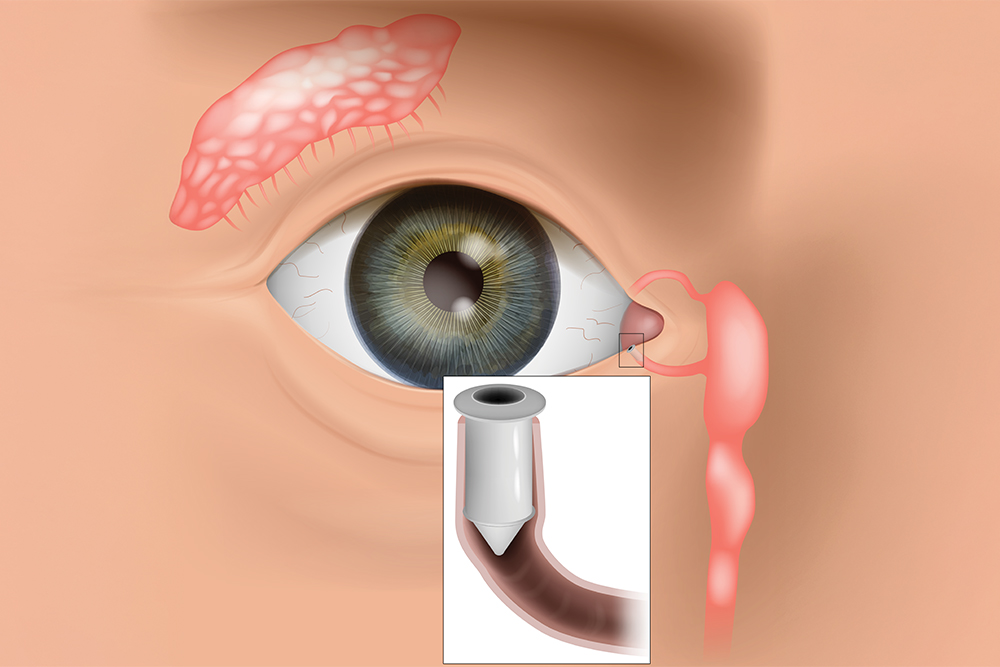
For many individuals, dry eye disease is an ongoing struggle marked by irritation, burning, watery eyes, and inconsistent vision. While over-the-counter drops may offer short-term relief, they often fail to provide lasting hydration. In many cases, the issue isn’t a lack of tear production - it’s that tears drain away too quickly.
One innovative option designed to provide longer-term relief is LACRIFILL®, a modern approach to punctal occlusion that helps preserve your natural tears and restore balance to the ocular surface.
What Is LACRIFILL® Canalicular Gel?
LACRIFILL® is a soft, clear gel that is placed inside the eye’s natural tear drainage channels, known as the canaliculi. These tiny channels are responsible for carrying tears away from the surface of the eye and into the nasal cavity.
For individuals with dry eye disease, tears often drain away too quickly. When this happens, the eye does not stay properly lubricated, leading to dryness and irritation. LACRIFILL® works by gently filling part of the drainage pathway, slowing tear outflow so that your natural tears remain on the eye longer.
Unlike traditional artificial tears that supplement moisture from the outside, LACRIFILL® helps you retain the tears your body already produces. This treatment is FDA-cleared and has been clinically studied for safety and effectiveness in managing dry eye symptoms.
How Does LACRIFILL® Work?
Every time you blink, a thin layer of tears spreads across the surface of your eye. This tear film keeps your eyes smooth, hydrated, and protected from debris and infection. After serving their purpose, tears drain through small openings in the inner corners of the eyelids (called puncta), passing into the canaliculi and eventually into the nose. In dry eye patients, this drainage process may occur too rapidly, leaving the surface of the eye exposed and under-lubricated.
LACRIFILL® forms a soft gel barrier within the drainage system, reducing tear loss and improving moisture retention. By keeping tears on the eye longer, it supports a healthier tear film and enhances overall comfort.
The gel gradually biodegrades over time and is naturally reabsorbed by the body. Relief typically lasts several months, and the treatment can be repeated when necessary.
Benefits of LACRIFILL®
LACRIFILL® offers several advantages for patients struggling with persistent dry eye symptoms:
FDA-cleared and clinically evaluated for safety and performance
Quick, non-surgical procedure performed in-office
No downtime or recovery period required
Preserves your body’s natural tears rather than relying solely on artificial drops
Provides extended relief that can last for months
Biocompatible material designed to work harmoniously with the body
Customizable treatment approach based on your individual tear drainage system
For patients who are tired of frequent eye drop use, this longer-lasting solution can be life-changing.
Neuro-Optometric Rehabilitation
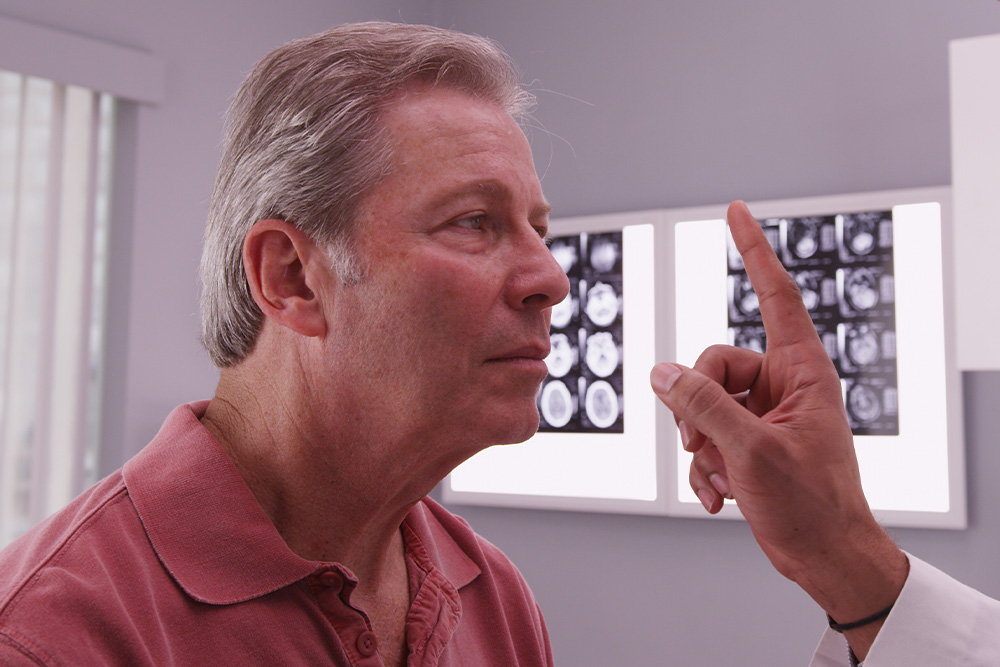
When most people think about vision problems, they picture issues with the eyes themselves. However, many visual difficulties actually begin in the brain. After a concussion, stroke, or other brain injury, the connection between the eyes and brain can be disrupted - causing symptoms that affect balance, reading, focus, and even daily comfort.
Brain Injuries and Vision
Your visual system is complex - about 70% of the brain is involved in vision processing. After a traumatic brain injury (TBI), concussion, or neurological event such as a stroke, the pathways that coordinate eye movement, focus, and perception can become impaired.
This can result in symptoms such as:
Blurred or double vision
Eye strain and headaches
Difficulty reading or focusing
Dizziness or balance problems
Light sensitivity
Problems with depth perception
These visual issues often persist long after other symptoms of a brain injury have improved, making specialized vision care essential for recovery.
What Is Neuro-Optometric Rehabilitation?
Neuro-optometric rehabilitation is a specialized form of vision therapy designed to retrain how the brain and eyes work together. Unlike traditional eye care that focuses on eyesight alone, this therapy targets the neurological processes behind vision. Our doctor evaluates how the eyes and brain communicate and creates a personalized treatment plan to rebuild these visual pathways. The goal is to restore comfort, coordination, and clarity - improving overall visual function and quality of life.

Myopia is a common vision problem affecting a large number of individuals worldwide. It occurs when the eye is unable to focus properly on distant objects, resulting in blurred vision. Myopia can develop during childhood and progress into adulthood if left unmanaged.
What Causes Myopia to Develop?
Myopia can be caused by a combination of genetic and environmental factors. If one or both parents have myopia, there is a higher chance that their children will develop the condition. Additionally, excessive screen time, lack of outdoor activities, and prolonged near-work activities such as reading or using electronic devices can contribute to the development of myopia. These lifestyle factors can lead to the elongation of the eyeball, resulting in the inability to focus on distant objects.
The Importance of Myopia Management
Managing myopia is crucial to prevent its progression and associated complications. High levels of myopia can increase the risk of developing eye conditions such as glaucoma, cataracts, and retinal detachment.
Additionally, severe myopia can lead to vision loss and significantly impact the quality of life. Early intervention and proper management of myopia can help slow down its progression and reduce the risk of these complications.


Contact Info
Hours of Operation
- Monday 10:00 AM - 6:00 PM
- Tuesday 10:00 AM - 6:00 PM
- Wednesday 10:00 AM - 6:00 PM
- Thursday Closed
- Friday 10:00 AM - 6:00 PM
- Saturday 09:00 AM - 3:00 PM
- Sunday Closed
© 2026 Ciotti Eye Care. All rights Reserved. Accessibility Statement - Privacy Policy - Sitemap
Powered by:
