

How Is Dry Eye Diagnosed During an Eye Exam?
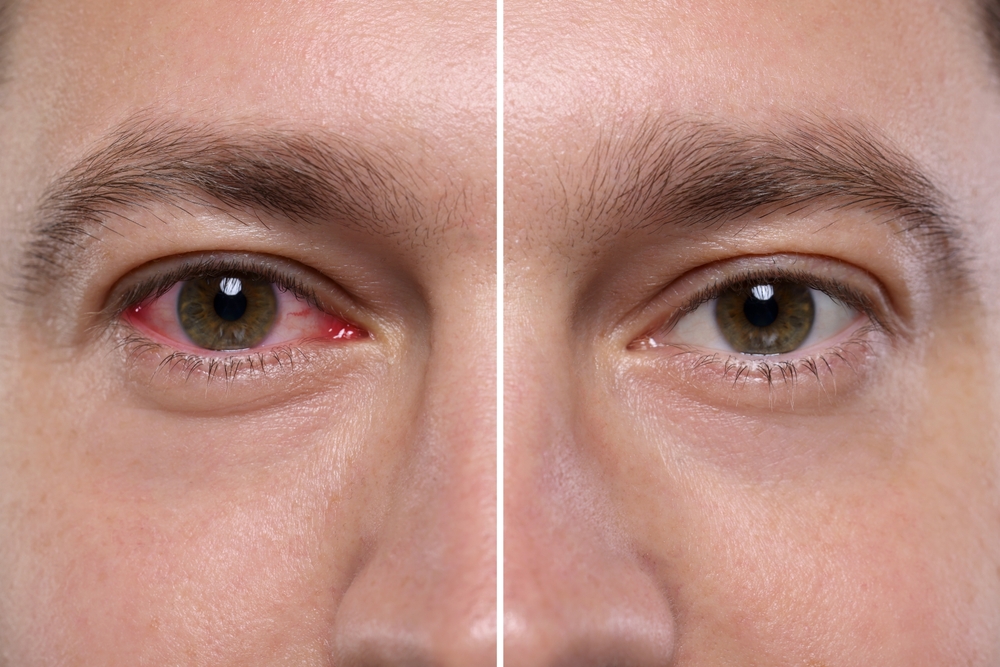
Dry, irritated, or watery eyes are often brushed off as minor annoyances. But if symptoms persist, they may signal dry eye disease - a common condition that affects tear quality, tear quantity, or both. At Ciotti Eye Care, diagnosing dry eye starts with a comprehensive eye exam designed to uncover the root cause of your discomfort.
Discussing Your Symptoms and Medical History
Diagnosing dry eye begins with a conversation. Your eye doctor will ask about symptoms such as:
Burning or stinging sensations
Grittiness or the feeling of something in your eye
Redness
Blurred or fluctuating vision
Excessive tearing
Light sensitivity
You’ll also discuss lifestyle factors that can contribute to dry eye, including screen use, contact lens wear, medications, allergies, and environmental exposure. Certain health conditions, such as autoimmune disorders or hormonal changes, may also play a role. This initial discussion helps your doctor determine whether your symptoms are consistent with dry eye and what type may be present.
Evaluating Tear Production
One of the most common diagnostic tools is the Schirmer test, which measures how much tear fluid your eyes produce. A small strip of paper is placed under your lower eyelid to assess tear volume over a few minutes. If tear production is low, it may indicate aqueous-deficient dry eye, meaning your eyes are not producing enough tears.
Assessing Tear Quality and Stability
Dry eye is not always about tear quantity - it’s often about tear quality. Your doctor may perform a Tear Break-Up Time (TBUT) test, where a harmless dye is placed in your eye. Using a specialized light, the doctor observes how quickly your tear film begins to evaporate or break apart.
If the tear film breaks up too quickly, it may indicate evaporative dry eye, commonly linked to meibomian gland dysfunction (MGD). The meibomian glands produce the oil layer of your tears, which prevents rapid evaporation.
Examining the Ocular Surface
Using a slit lamp microscope, your doctor will closely examine:
The cornea
The conjunctiva
The eyelids
The meibomian glands
Special dyes such as fluorescein or lissamine green may be used to highlight damaged or dry areas on the eye’s surface. These stains help identify inflammation or irritation that may not be visible otherwise. Your doctor may also gently evaluate the meibomian glands to check for blockages or poor oil flow.
Checking for Inflammation
Chronic dry eye often involves inflammation. In some cases, additional testing may be used to detect inflammatory markers in your tears. Identifying inflammation helps guide treatment decisions and ensures that therapy addresses the underlying cause—not just the symptoms.
Determining the Type and Severity
Dry eye disease is not one-size-fits-all. It can be:
Aqueous-deficient
Evaporative
Mixed (a combination of both)
Mild, moderate, or severe
A thorough evaluation allows your eye doctor to classify your condition accurately and recommend targeted treatment options.
Why Professional Diagnosis Matters
Many people self-treat dry eye with over-the-counter drops, but without proper diagnosis, relief may be temporary or incomplete. Different types of dry eye require different treatments. For example:
Artificial tears may help mild dryness
Prescription drops may be needed to reduce inflammation
Warm compresses or in-office treatments may improve meibomian gland function
Punctal plugs may help retain tears
Accurate diagnosis ensures your treatment plan is customized to your specific needs.
When Should You Schedule an Exam?
You should schedule a dry eye evaluation if you experience:
Persistent irritation or discomfort
Vision that fluctuates throughout the day
Difficulty wearing contact lenses
Symptoms that worsen with screen time
Excessive tearing despite feeling dry
Early diagnosis can prevent complications and improve long-term eye health.
Take the First Step Toward Comfortable Vision
Dry eye disease is a medical condition that requires careful evaluation and personalized care. During a comprehensive eye exam, your doctor assesses tear production, tear quality, inflammation, and the health of your ocular surface to determine the type and severity of dry eye. Our optometrists will identify the cause of your discomfort and create a personalized treatment plan to help you see clearly and feel your best every day.
If dry, irritated eyes are affecting your comfort or vision, schedule a dry eye evaluation at Ciotti Eye Care to learn more about your options. Visit our office in Riverview, Florida, or call (813) 212-7400 to book an appointment today.



Contact Info
Hours of Operation
- Monday 10:00 AM - 6:00 PM
- Tuesday 10:00 AM - 6:00 PM
- Wednesday 10:00 AM - 6:00 PM
- Thursday Closed
- Friday 10:00 AM - 6:00 PM
- Saturday 09:00 AM - 3:00 PM
- Sunday Closed
© 2026 Ciotti Eye Care. All rights Reserved. Accessibility Statement - Privacy Policy - Sitemap
Powered by:
